dala

Est. 1989 · Danbury, CT

Didona Associates

DALA Essays

Blog

Regenerative Landscapes

Regenerative landscape designs evolve within their environment. They are not placed but incorporated into the natural ecosystem. Regenerative design is informed by the cultural and ecological characteristics of the place, and humans are considered a part of the ecosystem. Successful regenerative landscapes contribute to the health and happiness of the people who live, work, and play in that landscape. In contrast to designs of sustainable landscapes that mitigate the harm that a built environment imposes on the ecosystem, the regenerative landscape is designed to improve and evolve within the ecosystem, including the human experience.

DALA has been incorporating regenerative design principles in their designs for over 20 years. One example of this regenerative approach is how they contribute to the design of stormwater management structures. The structures configuration and landscaping will not only treat the quantity and quality of the runoff but enhance the environment for the local flora and fauna and provide human access and interaction. The result is a thriving landscape that also is a place for interaction, quiet contemplation, education, and healing.

DALA’s 2020 vision is to increase their knowledge base of regenerative design and continue to advocate for each landscape. A LEED platinum regenerative landscape includes stormwater treatment, permeable pathways and a small lawn area for play. This landscape took a mono-culture lawn and made it a place where everyone thrived.
Diversity of Landscape Architecture

I remember a professor at SUNY College of Environmental Science and Forestry stating that the best part of landscape architecture is the diversity of projects, and the worst part of Landscape Architecture is the diversity of projects. After 40 years of practice, I agree.

Landscape Architecture is the art and science of site design and can encompass sites of several square miles to sites of several square feet. A landscape architect can master plan a downtown or design a pocket park. The vast amount of knowledge, expertise, and experience required to practice Landscape Architecture can be daunting. Therefore, many times, a firm may specialize.

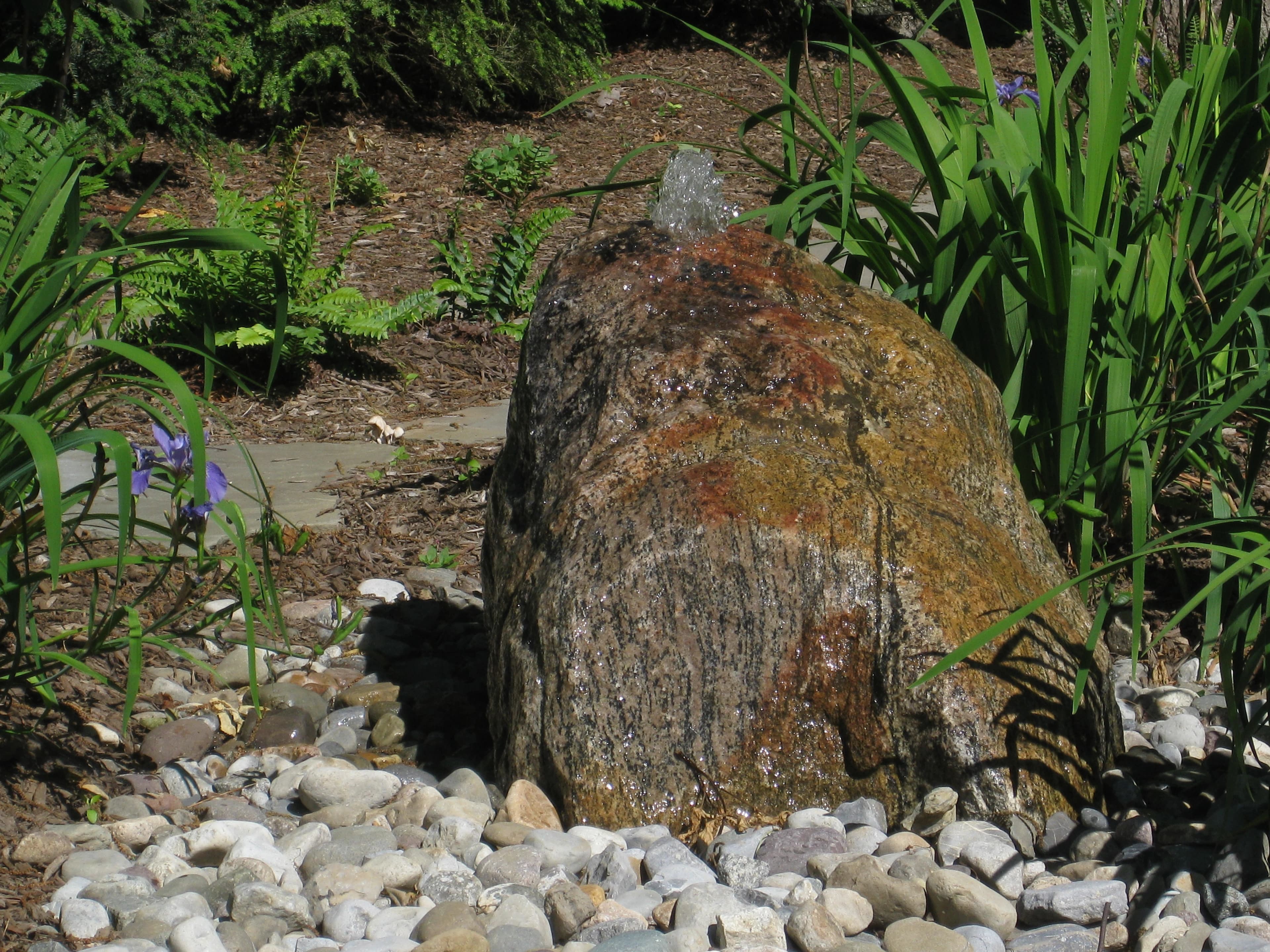
Specialties can be size or kind of project to a specific design philosophy. In our first ten years as a firm, we realized at Didona Associates-Landscape Architects that our specialization would be around a design philosophy: “Water is a Resource.” We strive to include design elements into every project that will protect and enhance our water resources. After thirty years, DALA has designed a diversity of projects with the consistent theme of incorporating features, structures, and plantings that treat water.

This focus has opened up many opportunities including the design of beautiful streetscapes with permeable paver tree trenches, school plans that incorporate stormwater management BMPs not only for water treatment but as places for outdoor education and recreation, senior housing with a beautiful entry courtyard that includes permeable pavers and a rain garden bio filtration strip. We are now known for our designs that incorporate beauty as well as features for water quality which has provided us with a diverse client and project list.

This article is featured in the CTASLA Fall 2019 Connecticut Landscape Architect.

Our Interests Enrich Our Designs

The more we read about Frederick Law Olmsted and how his early life and careers affected his landscape designs, we realized that our own life experiences and interests have a profound effect on the work we do at DALA. For this Thirtieth Anniversary blog, we thought we should share our outside interests and how they have enriched our designs over the years.

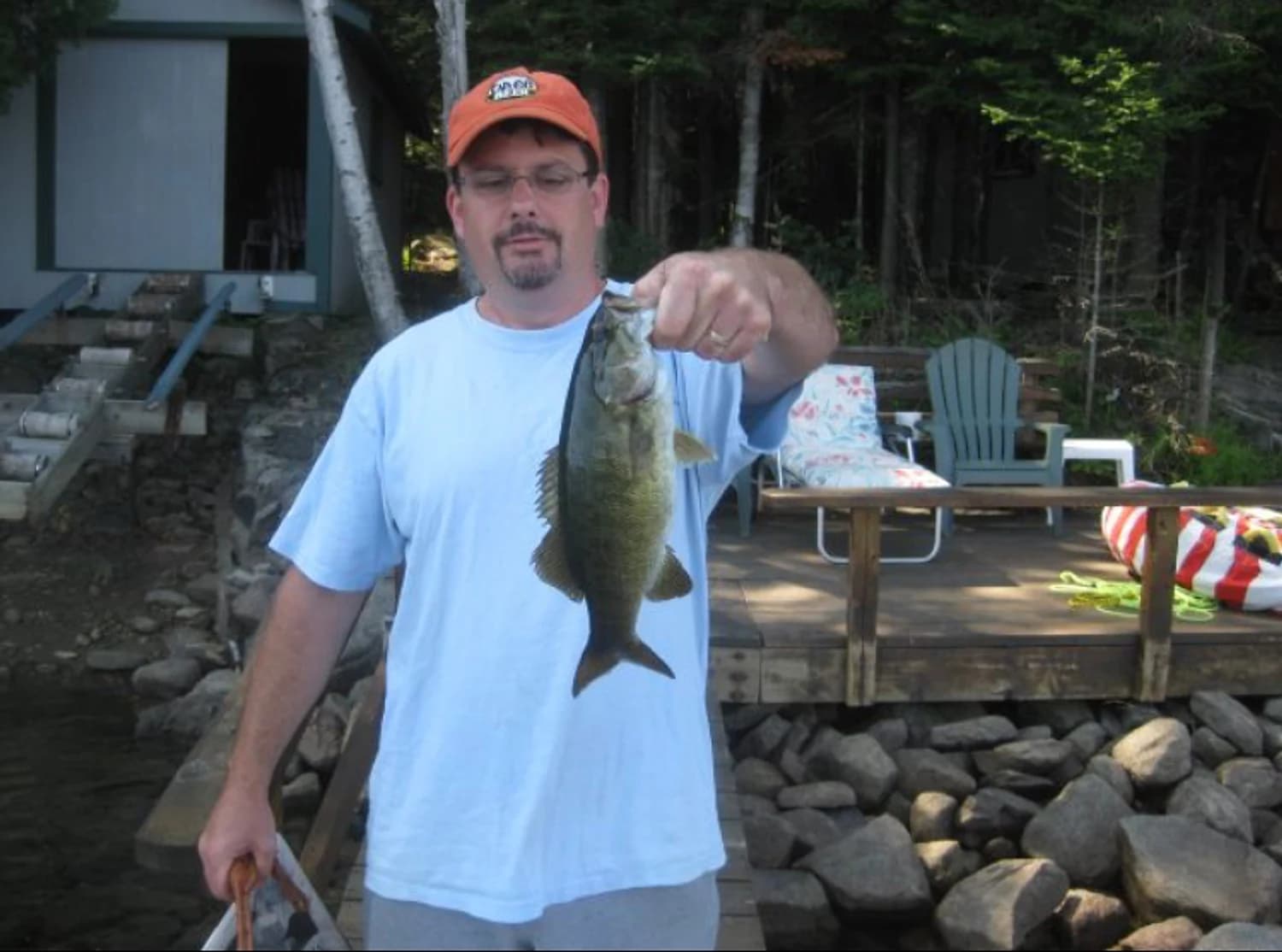
Keith grew up enjoying time spent in the Adirondack mountains where he discovered the beautiful landscape of upstate New York and later, after marrying, Canada lake country. Similar to the impact of 19th Century Connecticut landscape on Olmsted, these landscapes have influenced Keith’s aesthetic. At a young age, he developed a passion for fishing, ice fishing, and skiing. These interests have carried over into his professional career.

Jane, on the other hand, grew up in New York City and Long Island. Her earliest memories include visiting Jones Beach, Rockefeller Center, Shea Stadium and the Metropolitan Museum of Art. She loves the urban vibe of these locations but also cherishes her time spent hiking at the local trails, kayaking in the Great Swamp and the Long Island Sound, plein air painting the Connecticut landscape, bicycling the local roads and trails, and gardening.

Whether it be from our upbringing, travel, or service, each of these experiences has impacted our work over the past thirty years. We look forward to what is to come.

Service to Our Community

Service to our community has always been an integral part of the Didona Associates – Landscape Architects business culture. Keith and Jane have been active members of their community in many capacities. They also are very involved in providing expertise for pro bono projects that need DALA outreach and design talents.

Keith has been a member, past president, and active volunteer for the Lions Club of Danbury since 1997. He has managed the CRIS Radio program and participated in many Lion activities. He is also the advisor to the local high schools LEO clubs.

Jane has been a member of the Rotary Club of Danbury, a board member of the Chamber of Commerce, a board member of the Western Connecticut Regional Hospice, a board member and past president of the Friends of Ball Pond, a founding member of the Cultural Alliance of Western Connecticut, and served on the executive committee of the Connecticut Chapter of the American Society of Landscape Architects.

Their first pro bono project was the Stage Left Garden at the Charles Ives Center in 1990. Other notable projects are The Rogers Park Pond Renovation, the Hahlawah Preserve, and The Healing Hearts Garden for Western Connecticut Regional Hospice.

Continuing Our Education

Since we started DALA in 1989, we have valued continuing education. Our goal is not only to satisfy the requirements of our licenses but to expand our knowledge base so we can better serve our clients, projects, and the environment.

Our recent education sessions have been eclectic but have provided invaluable information that we will integrate into our practice. Keith has attended two seminars in New York that discussed Current Issues in Landscape Architecture and New York Wetlands Law and Compliance.

At DALA, we not only attend lectures, webinars, seminars, and classes but also teach. Most recently, Jane has been an instructor of stormwater management and landscape design at the New York Botanical Garden. Learning and sharing information will always be an integral part of our thriving firm’s mission.